Trading and engineering company focusing on process pumps
Air-operated diaphragm pumps, AOD pumps or diaphragm pumps. double acting diaphragm pumps.
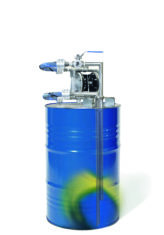
Diaphragm pumps are available as compressed air driven pumps. This type of pump is very versatile and can be used for several different purposes such as transportation, emptying and filling of many types of chemicals, paint and food. Diaphragm pumps have built-in ball valves that make the pumps suitable for handling both liquids and gas. Capacity and pressure are easily regulated by the valves and the air flow in the pump.
You can use diaphragm pumps for everything from water to viscous media and aggressive liquids. Here you can read more about the benefits of diaphragm pumps and the different types of pumps available on the market. Diaphragm pumps are widely used across many industries and serve many different purposes. So it's a big area to delve into to understand all about types, benefits, materials and applications and much more.
One of the clear advantages of diaphragm pumps is that they are virtually maintenance-free and therefore cheap and easy to keep running. The explanation for this is that the pump on a diaphragm pump contains no rotating parts. The pump is therefore simply constructed and it doesn't require much to keep it in good condition. The only thing you need to replace on a diaphragm pump are the diaphragms and valves.
Replacing these spare parts is easy. Other advantages include the fact that diaphragm pumps are self-priming. In addition, diaphragm pumps can have a high head, which means the pump is able to safely transport liquid or other media over long distances. Another advantage of diaphragm pumps is that it is easy and safe to regulate the flow by turning a valve on the outlet side or using pressure regulation on the air inlet.
Depending on the purpose of a diaphragm pump, there are different types of diaphragm pumps on the market. You can choose diaphragm pumps that are air-operated or mechanical. Air-operated diaphragm pumps have a reliable air valve with a low pulsation that is accessible from the outside. This makes changing the valves easy and safe, and you experience minimal downtime. Mechanical or electric diaphragm pumps are suitable for applications that require low pulsation and a smooth flow. These diaphragm pumps are typically more energy efficient compared to air-operated diaphragm pumps. A mechanical diaphragm pump can reduce energy consumption by up to 5 times. Diaphragm pumps are simply designed and made of robust materials such as aluminum, stainless steel, PP and PVDF.
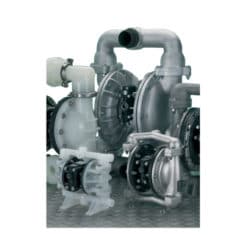
Three different types of diaphragm pumps:
So depending on the industry and types of applications, as well as many other factors, different diaphragm pumps are used for different purposes.
Diaphragm pumps have become increasingly popular in the food industry. They meet the demands and needs of food applications and provide efficient suction and pressure capacity for food production. A diaphragm pump, for example, can pump with viscosities up to 10,0000 cps.
In addition, a diaphragm pump can also handle particles such as nuts, berries and other similar foods. There are specific EU regulations and rules that must be followed when using diaphragm pumps and other machines in direct contact with food. This is to ensure that the materials on the diaphragm pumps do not rub off on the media they process and contaminate the application. Therefore, diaphragm pumps are most often made of stainless steel and plastic, as these materials comply with EU regulations and directives.
It's a good idea to get an overview of the task the diaphragm pump is going to solve. First and foremost, you need to know which media the diaphragm pump will be transporting or pumping. You need to be sure that your choice of pump is chemically compatible with the media you want to treat. It's also important to know which materials the diaphragm pump should be configured for and what requirements the pump must meet. These could be requirements for wear, temperature and chemical compatibility. Or requirements such as the diaphragm pump must be able to achieve high flow rates while minimizing air consumption and operating noise.
Get professional advice on which diaphragm pump is best suited for the purpose and task at hand. Quality is an important factor, including how reliable and efficient the diaphragm pump is. There is a wide range of accessories available for diaphragm pumps. So you can also get advice on a tailor-made solution so that the diaphragm pump is exactly right for the application you need it for.
If you need the diaphragm pump for handling chemicals and viscous media, you may need an air-operated diaphragm pump. Or if you have a smaller production with less flow and pressure, a mechanical diaphragm pump might be best suited. But there can be several factors and detailed considerations to take into account. So it's always a good idea to seek professional advice from experts with many years of experience in diaphragm pumps and design your solution to meet the long-term needs of your business.